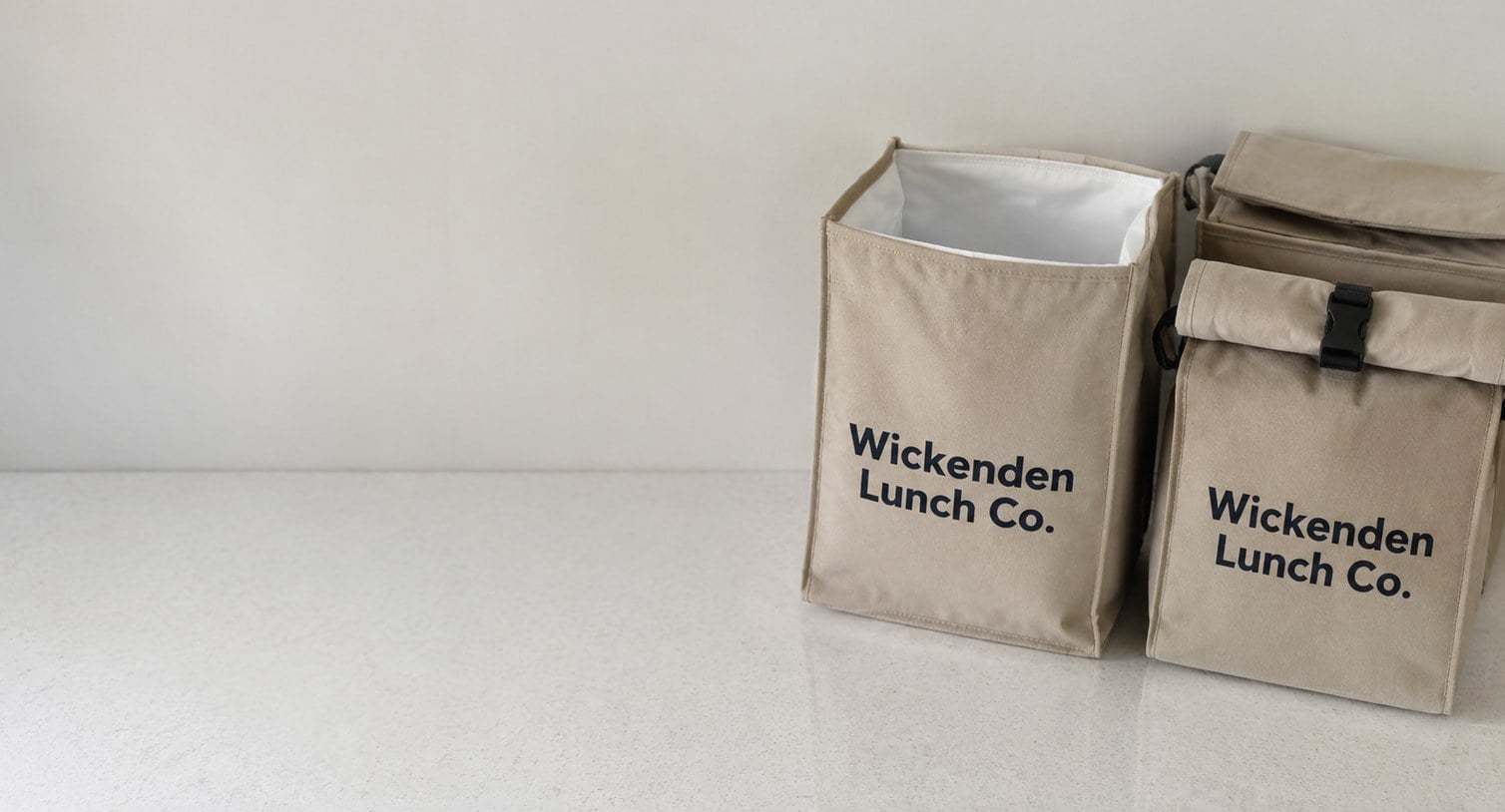
Custom lunch bags with your logo.
We make custom lunch bags in bulk — wipe-clean welded liners, box-fit sizing, roll-tops, school and kids’ builds with name panels, specified zip and buckle closures and foldaway packables — for nurseries and schools, hospitals and care, construction and site teams, meal-prep kitchens, universities and campus retail, and homeware distribution, from 12 bags up.
Free custom artwork in 24 hours · Low price guarantee
As trusted by





Every style, one supplier
Pick a style below, and we will provide free design help and a mockup within 24 hours.
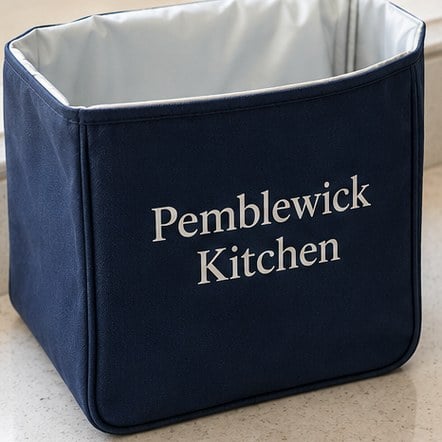
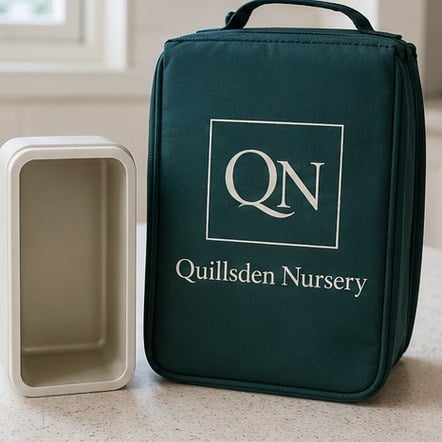
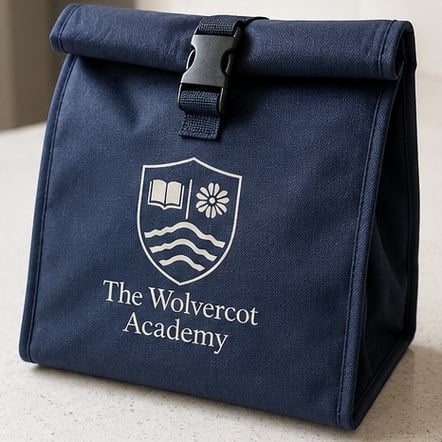
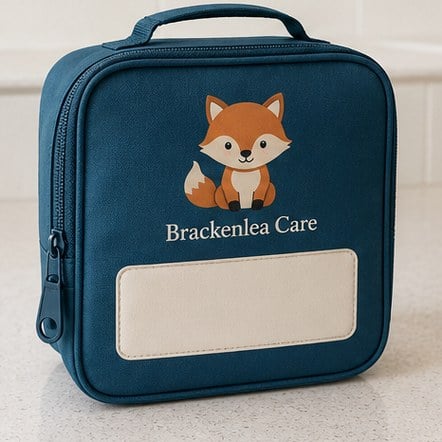
School & Kids’ Lunch Bags
A closure a six-year-old can work, and a name panel that survives the wash.
Learn More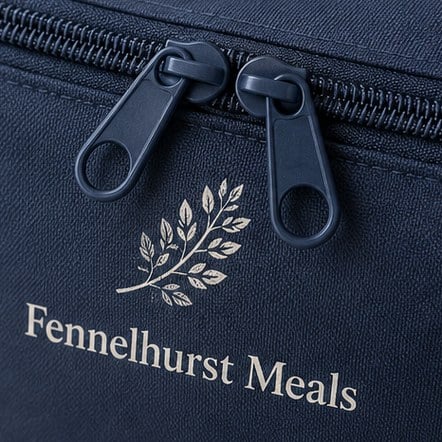
Zip & Buckle Closure Lunch Bags
Five hundred cycles a year. Specify the closure or it decides for you.
Learn More
A lunch bag is carried into work every single day. Nothing else you brand gets that kind of routine.
Four steps from your logo to fully branded lunch bags
Send your brand
Brand name, logo file, colors, and product preference. No print-ready art? Send a photo or PDF — our designers rebuild it clean and print-ready.
Mockup in 24 hours
We send free design directions rendered on your lunch bags. Revise as many times as you need — always free until you’re happy.
Approve & pay
Lock the design, confirm quantity and options, then pay. Production starts the same day.
Ship in 2 weeks
Standard production ships in about two weeks — faster turnaround available with express shipping.
Made for the moments that matter
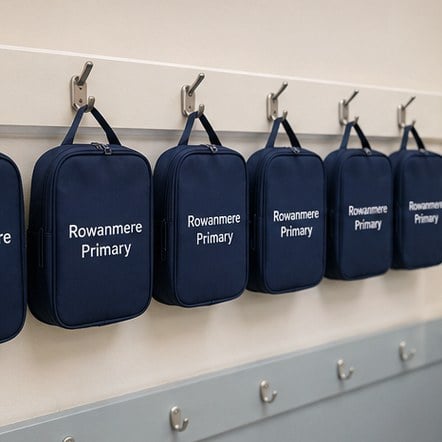
Nurseries, Schools & Holiday Clubs
Closures a child can work and an external name panel that takes a laundry marker, so a cloakroom of identical bags is still sortable.
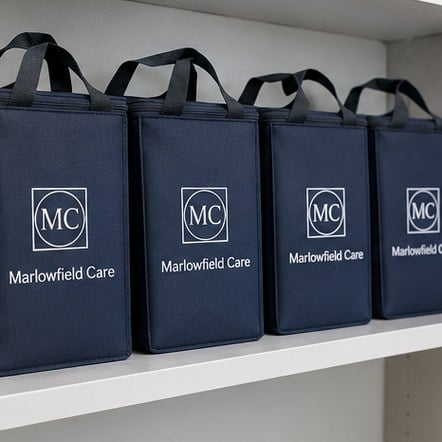
Hospitals, Care & Shift Teams
Welded liners with no absorbent seam to hide moisture, on bags that are genuinely wiped out at the end of every shift.
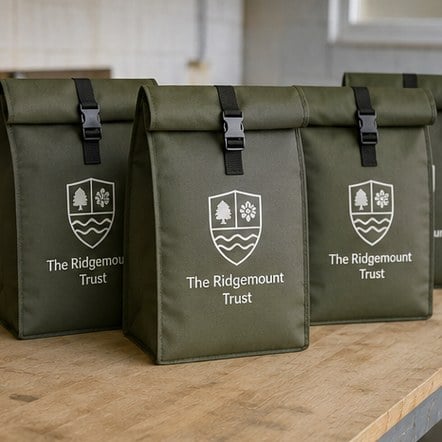
Construction, Trades & Site Teams
Roll-tops that close one-handed with cold hands, on shells rated for being thrown into a van every day.
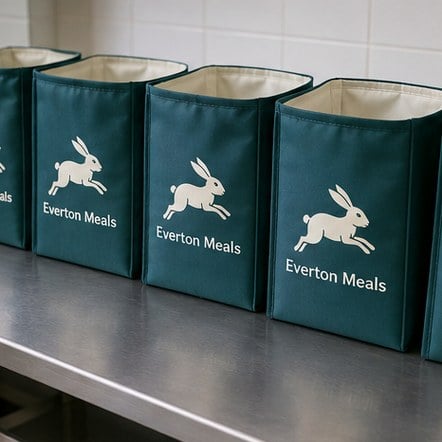
Meal-Prep Brands & Subscription Kitchens
Internal base dimensions quoted against your own container, so the box you ship actually lies flat in the bag you brand.
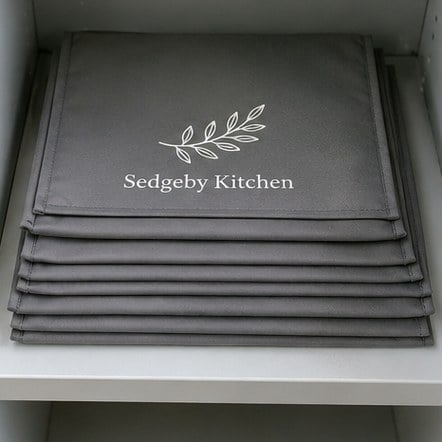
Universities & Campus Retail
Foldaway builds that stop occupying a locker all afternoon, with fold patterns set so the shell creases where it is rated to.
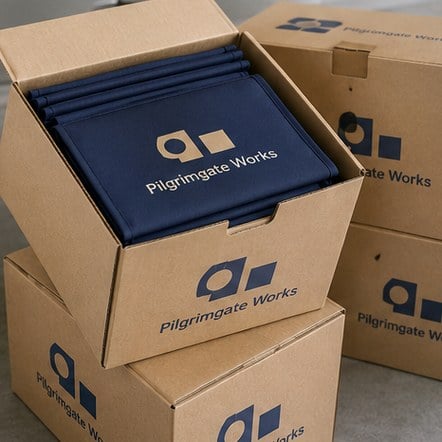
Homeware Retail & Distribution
Liner, base measurement, closure gauge and washability stated on every line, so your own shelf edge says something true.
Loved by the brands that order them
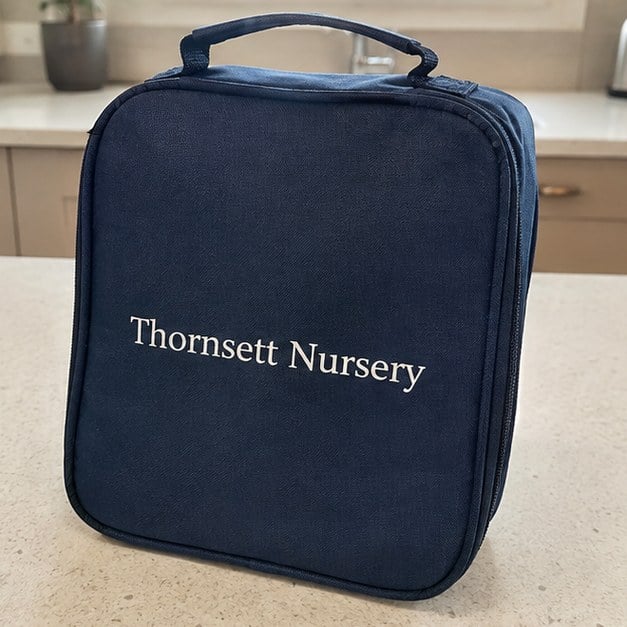
“First supplier to ask us to measure the box before quoting a size.”
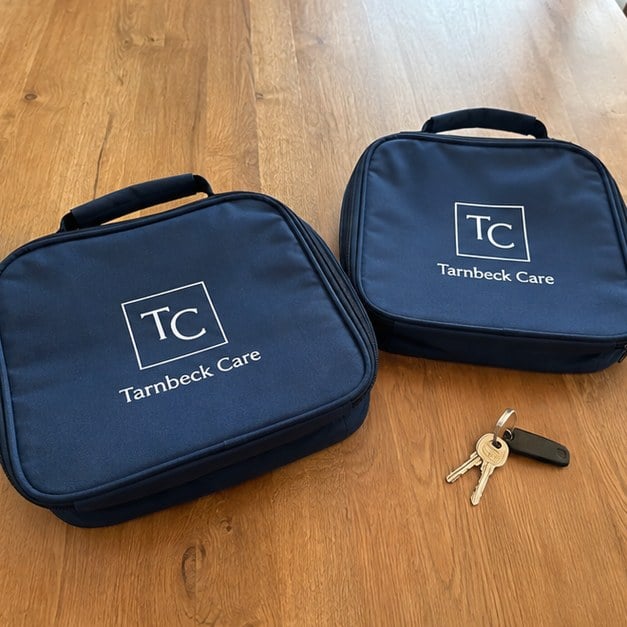
“Welded liner. Our old bags smelled by half term and these do not.”
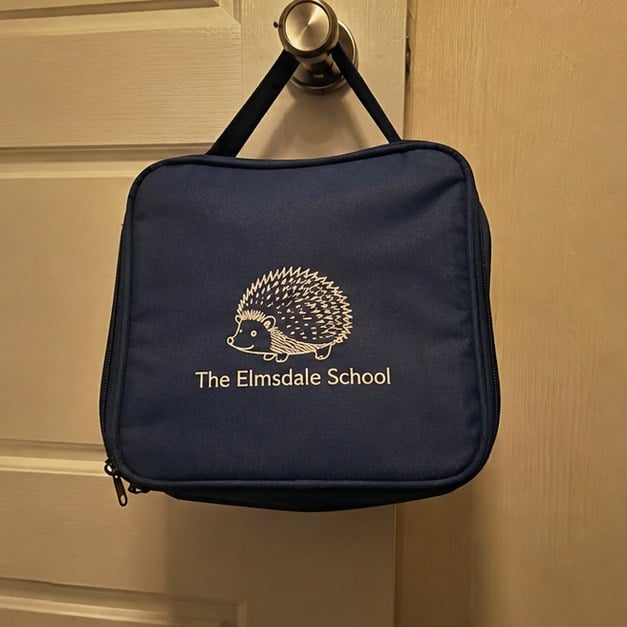
“Name panel on the outside. The cloakroom finally sorts itself out.”
Your brand, out in the world
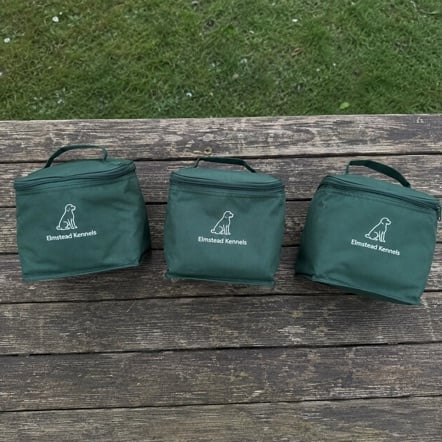
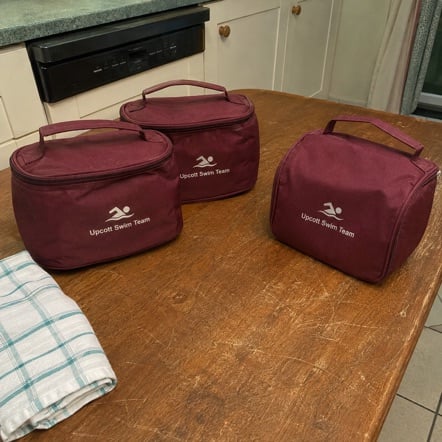
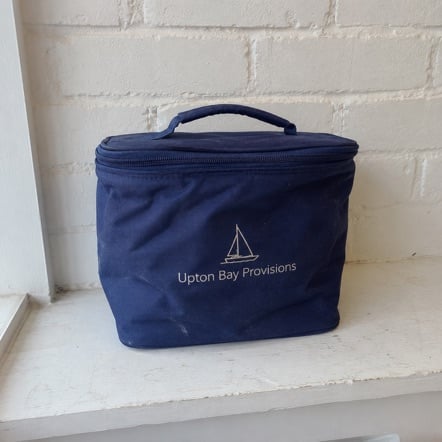
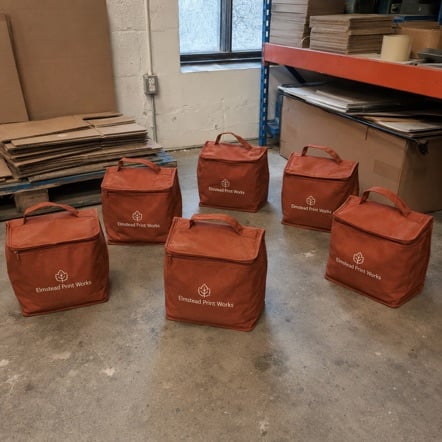
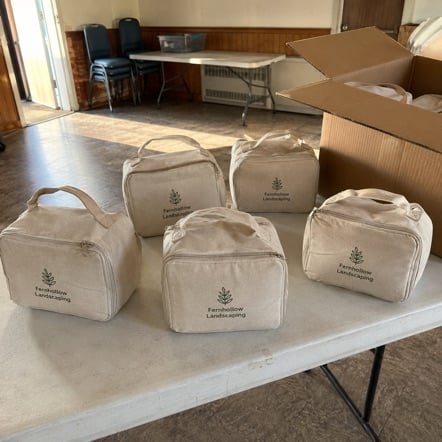
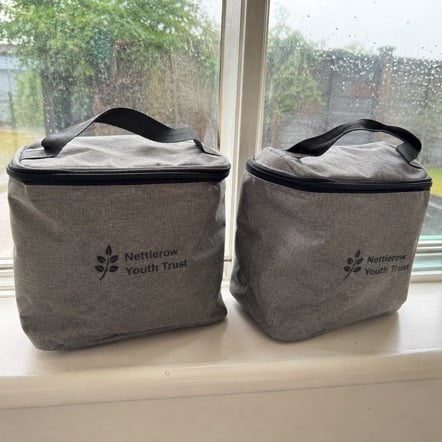
Get your mockup and quote within one business day.
Questions buyers ask before ordering
What is the minimum order?
How fast will my lunch bags arrive?
Are your lunch bags insulated?
Why does my lunch bag smell?
Can lunch bags be washed?
What size lunch bag do I need?
Which closure lasts longest?
Do you make coolers or food containers?
Guides for buyers and brands
Create your custom lunch bags now.
Measure the box, send your artwork, tell us who carries it — you’ll get a free mockup and quote within one business day.
Get a QuoteWin Free Stuff
Enter below for a chance to win plus receive 10% off your first order.
🎉 You are in!
We will text you your 10% off code. Good luck!